Books Reviewed
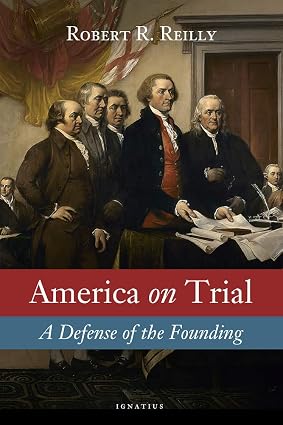

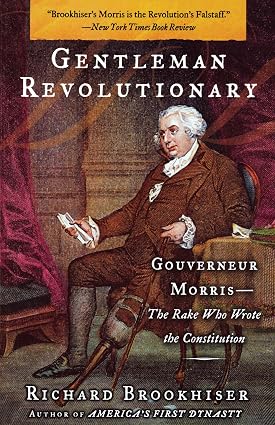

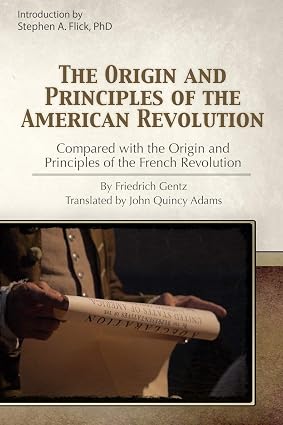
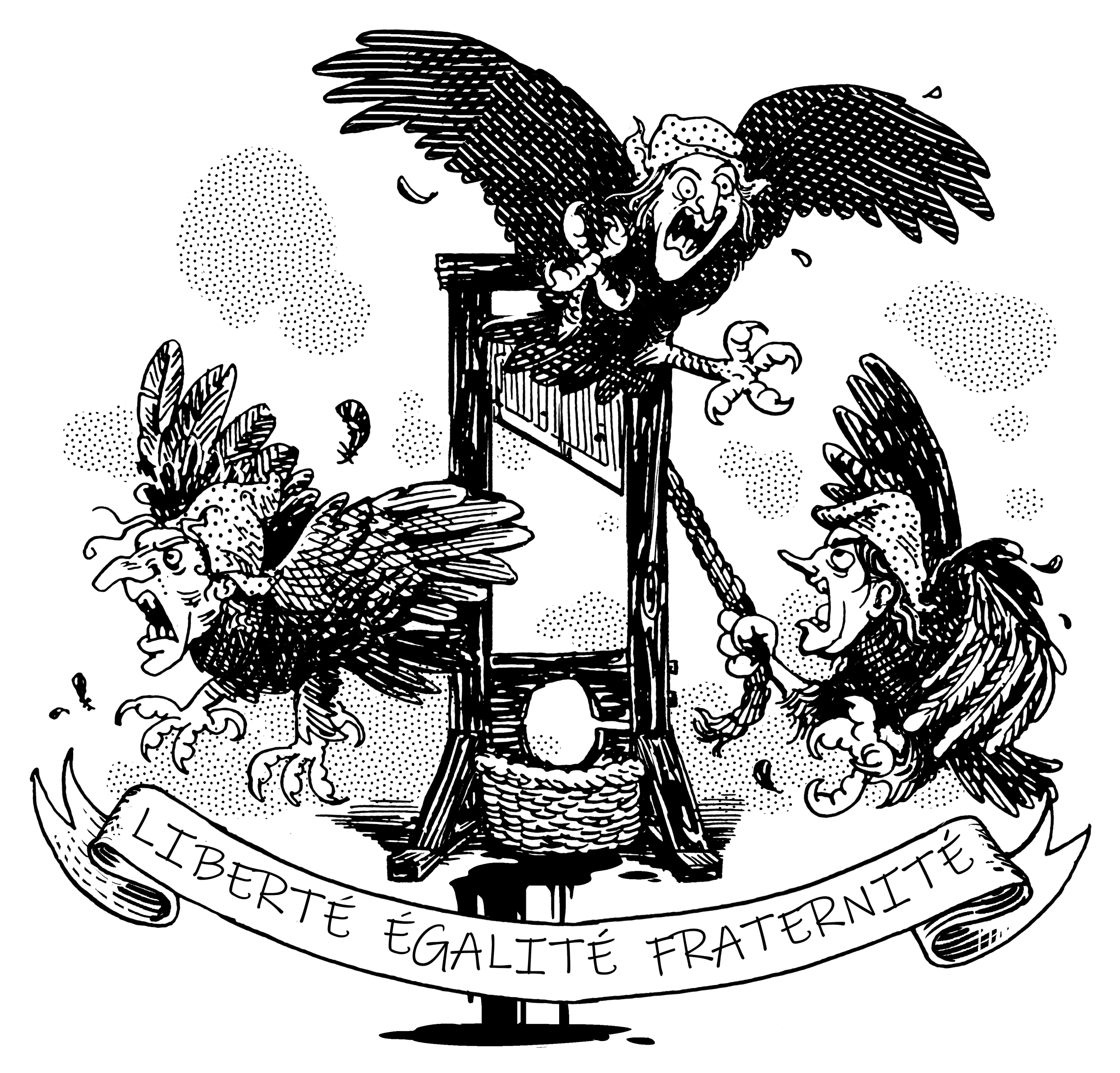
The revolution that created America 250 years ago was an unusual one. It did not erase or destroy the rich tradition of Western wisdom that came before 1776. America’s founders cherished this heritage, which is why they were so keen to defend and perpetuate it. The French Revolution, just a few years later, was something else entirely: a radical upheaval in the name of liberty that knows no limits, equality by way of forcible homogenization, and a chillingly mandatory “brotherhood” of man. As one victim of the revolutionary Terror put it, “fraternity” came to mean “Be my brother or I will kill you.” This proved an ominous foretaste of modern ideological politics. At the present stage in our history, Americans need to be clear about what continues to set our revolution and our politics apart.
The Enlightenment produced in Europe a general confidence that the human condition could be gradually improved through free politics, peaceful commerce, and institutions carefully designed to safeguard civil liberty. America’s founders generally shared a moderate version of this belief. But they did not identify with or encourage atheism; instead, they regularly affirmed the beneficence of a providential God whose superintending principles of justice could be discerned in the natural order of things. They were realists when it came to human nature, deeply wary of utopian
Next in the fall 2026 Issue

Cowboys and Carpetbaggers
The Strenuous Game