Books Reviewed
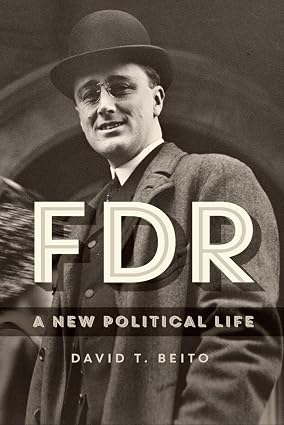

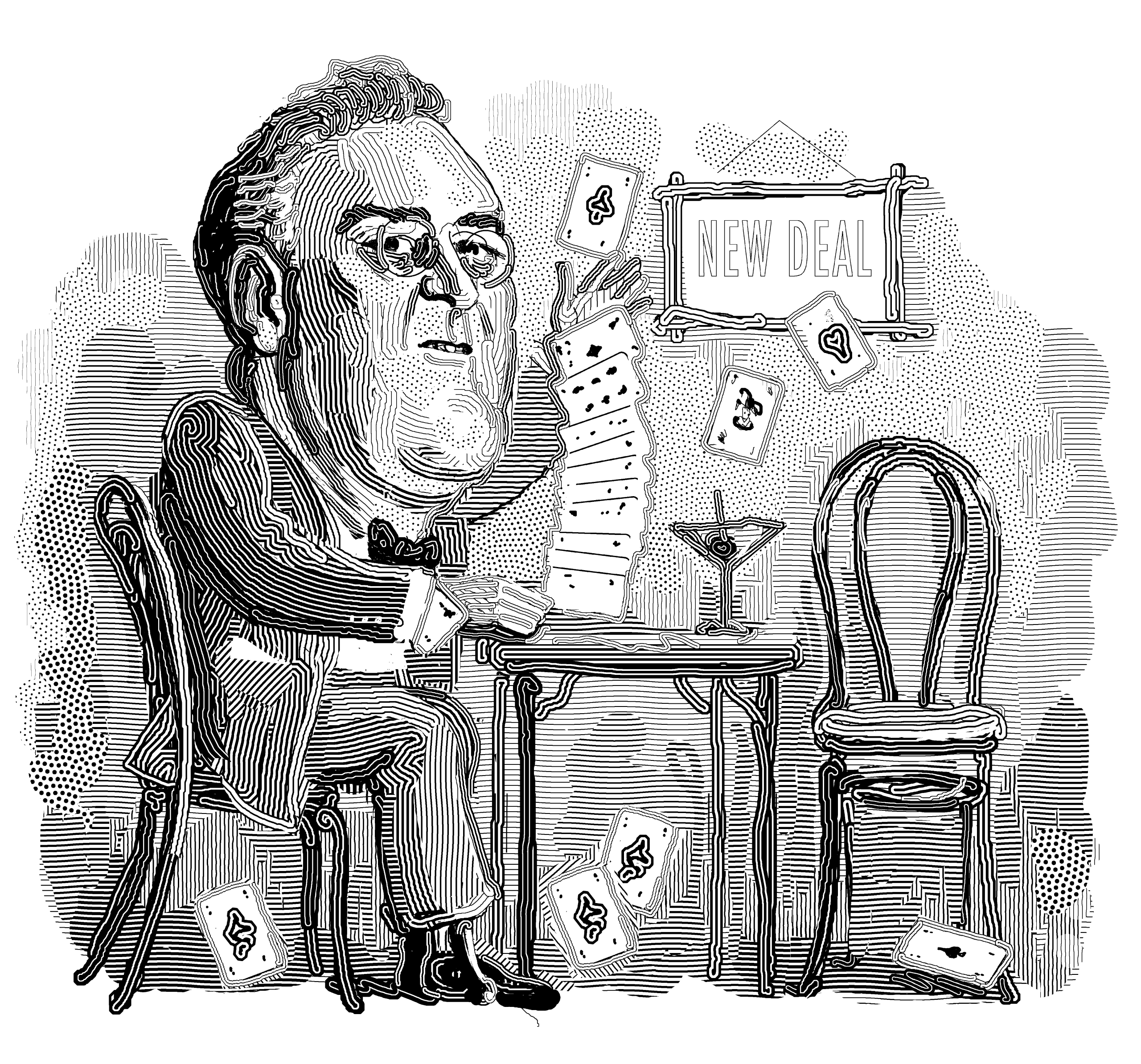
David T. Beito’s FDR: A New Political Life deals a severe blow to virtually every aspect of Franklin Delano Roosevelt’s legacy. One progressive myth, which has been debunked for decades now, even though it was once nearly unquestionable, holds that Roosevelt’s fiscal, regulatory, and entitlement New Deal programs rescued America from the Great Depression and laid the foundation for a better, fairer country that future progressive presidents could build upon.
Beito challenges this consensus, examining New Deal policies and their lackluster economic performance. Over the years, much of this dismal economic picture has become common knowledge, with an array of academic and popular books capturing the human cost of stagnant unemployment rates and subpar productivity. George Selgin’s False Dawn (2025), Amity Shlaes’s The Forgotten Man (2007), and Jim Powell’s FDR’s Folly (2003) argue compellingly that the New Deal’s distinctive achievement was how it took a devastating economic downturn and prolonged it with price and wage controls, pro-labor union regulations, restraints on production, and cartelization of industry, all of which left the economy sputtering into the 1940s. But what Beito’s new biography offers is not just an analysis of the New Deal’s failures, but a thorough examination of FDR’s strategic power
Next in the summer 2026 Issue
Becoming Churchill

Saving Civics